
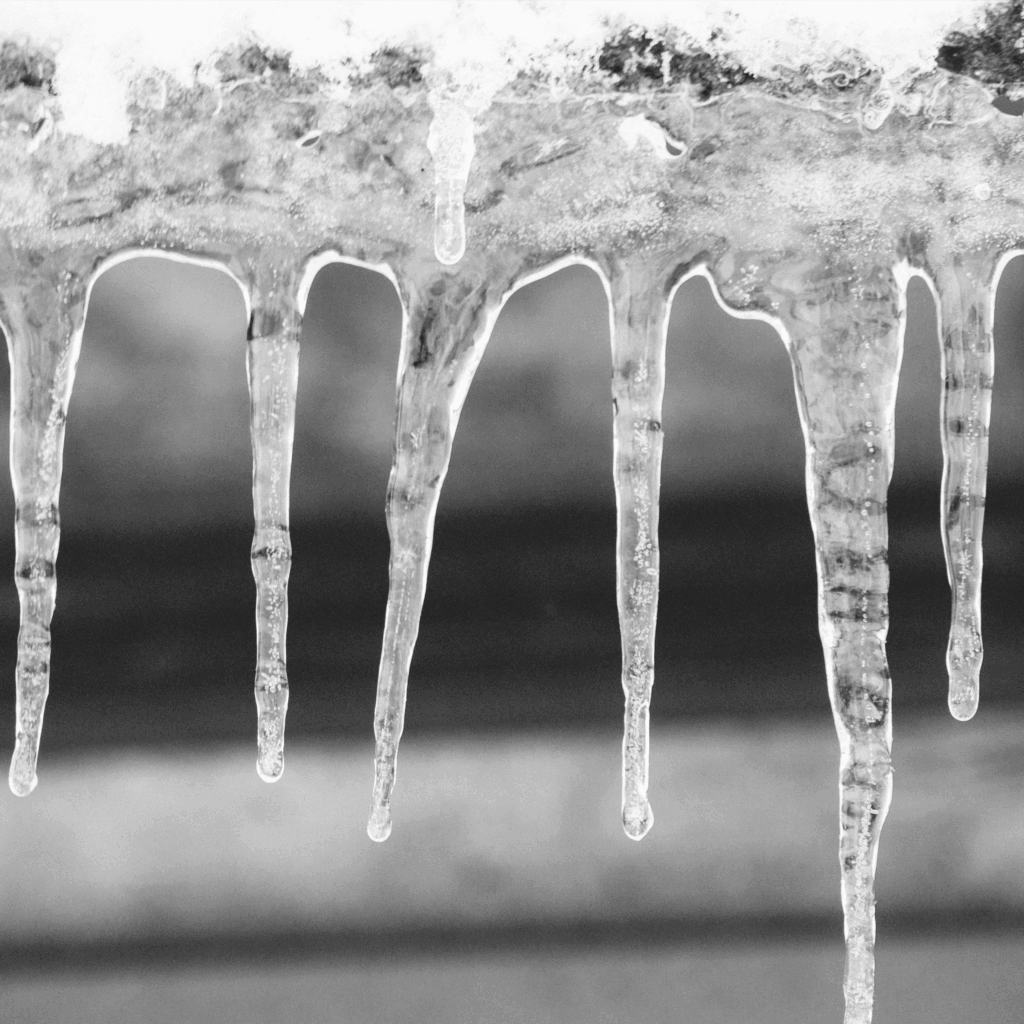
When an arctic blast or winter storm hits, frozen pipes can quickly turn into costly water damage. Cold weather is one of the most common causes of homeowners insurance claims related to water damage — but the good news is that many frozen pipe issues are preventable with a little preparation.
Below are practical, easy-to-follow tips you can share with customers to help protect their homes, prevent frozen pipes, and avoid unexpected repairs during extreme cold weather.
How to Prevent Frozen Pipes
Disconnect exterior hoses.
Remove any hoses from outdoor faucets. Even frost‑proof faucets (also called sill cocks) can freeze if a hose is attached, because trapped water has nowhere to drain.
Shut off and drain outdoor water lines.
If your home has interior shut‑off valves for exterior faucets or hookups, turn them off. Then open the outdoor faucet to allow any remaining water to drain. Leave the faucet open during freezing temperatures while the water supply is turned off.
Keep garage doors closed.
This helps protect water pipes that may be running through the garage, especially during overnight freezes.
Open cabinet doors under sinks.
Allowing warm air to circulate around plumbing under sinks and vanities can help prevent pipes from freezing.
Let faucets drip during extreme cold.
For pipes that are especially vulnerable — both hot and cold — allow a slow drip of water. Moving water is less likely to freeze.
Maintain consistent indoor heat.
Keep your home’s temperature set to at least 55°F, even if you are away. Sudden drops in indoor temperature can increase the risk of frozen or burst pipes.
Address known problem areas.
If your home has experienced frozen pipes in the past, consider consulting a licensed plumber or mechanical contractor to insulate or protect those areas before winter weather arrives.
What to Do If a Pipe Freezes
Shut off the main water supply immediately.
If you suspect a frozen pipe, locate and close the main water shutoff valve as soon as possible — especially before temperatures rise above freezing.
Inspect exposed pipes safely.
Check pipes for visible damage, including those in attics or crawl spaces, if it is safe to do so.
Watch for leaks as temperatures warm.
When temperatures rise above freezing, listen and look carefully for signs of leaking water.
If a pipe is leaking:
Do not turn the water back on. Open all faucets (including outdoor faucets) to drain remaining water from the system and contact a licensed plumber right away.
If no leaks are found:
Turn the water back on slowly and continue monitoring for leaks before fully restoring water pressure.
Avoid unsafe thawing methods.
Never use torches, heat guns, or open flames to thaw pipes. These methods create serious fire hazards and can cause additional damage.
A Quick Reminder About Insurance Coverage
Water damage from frozen or burst pipes may be covered by homeowners insurance, depending on the situation and whether reasonable steps were taken to maintain heat and prevent freezing. Reviewing coverage ahead of winter weather can help avoid surprises.
If you have questions about homeowners insurance, frozen pipe coverage, or ways to better protect your property, a licensed Property & Casualty insurance professional can help guide you.
Staying proactive during cold weather can make all the difference — and a few simple steps today can help prevent major water damage tomorrow.